
Dangerous Plants Every Pet Owner Should Know
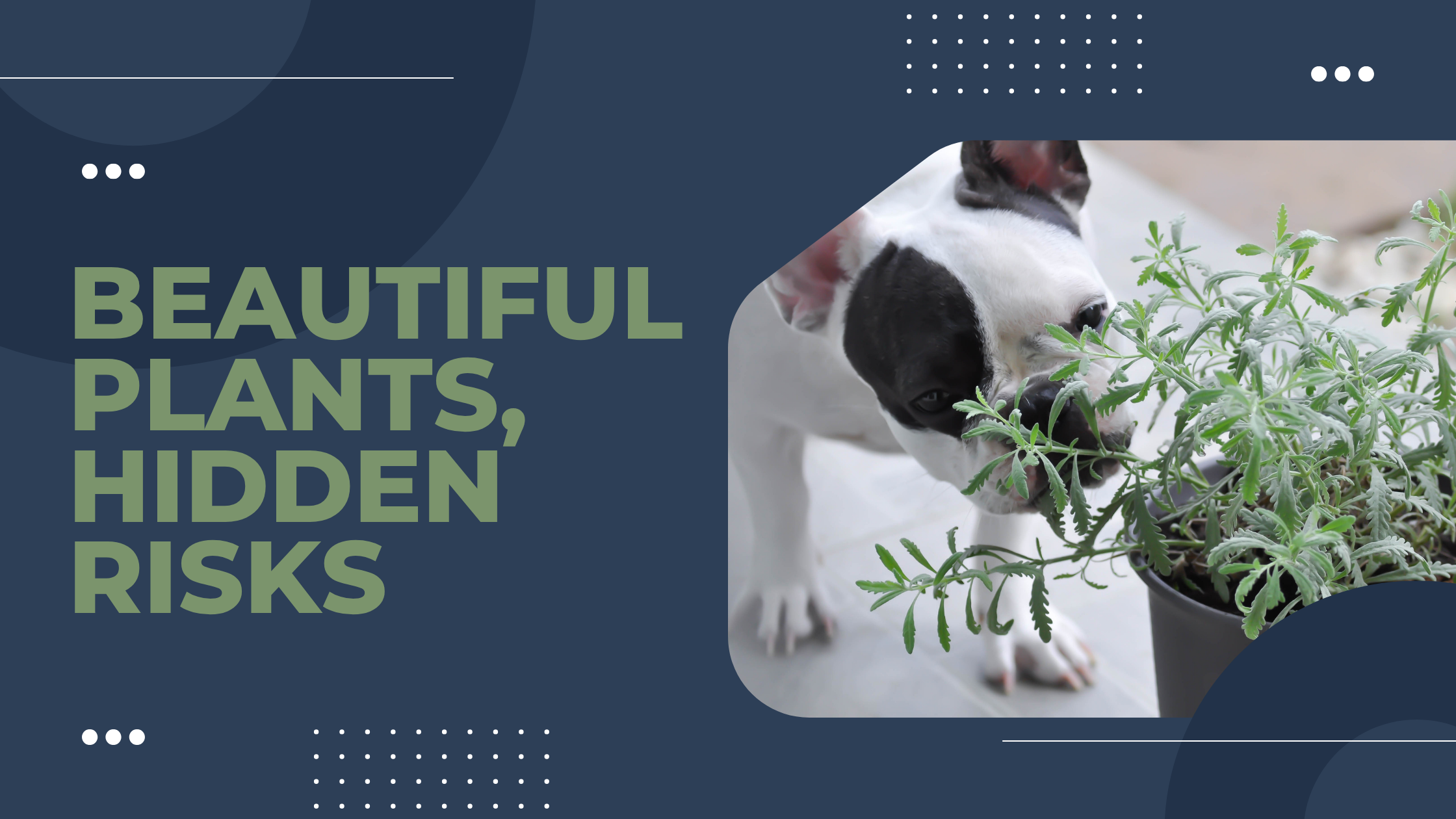
A black-and-white French Bulldog sniffs the leaves of a potted green plant indoors. Large green text on a dark blue background reads, "Beautiful Plants, Hidden Risks." The banner highlights the importance of recognizing potentially toxic plants that may pose a danger to curious pets.
Most pet parents spend a great deal of time puppy-proofing their homes. We hide electrical cords, secure cleaning products, put medications out of reach, and install baby gates where needed.
But one hazard often goes unnoticed:
Plants.
Our homes and gardens are meant to be safe places for our pets—but many common plants can pose serious health risks if chewed, ingested, or even brushed against. Whether you're decorating your living room, landscaping your yard, or heading out for a nature walk, it's important to know which plants are safe and which could become a veterinary emergency.
Whether they're decorating your living room, growing in your flower beds, or lining your favorite hiking trail, many common plants contain natural toxins that can make pets seriously ill. Some cause nothing more than a mild upset stomach, while others can damage the liver, kidneys, heart, or nervous system—and may even become life-threatening without prompt veterinary care.
Dogs—and occasionally curious cats—often explore the world with their noses and mouths, even well-trained pets can occasionally chew on leaves, flowers, berries, bulbs, or sticks simply out of curiosity. A single bite of the wrong plant may cause mild stomach upset, while others can lead to severe poisoning affecting the heart, kidneys, nervous system, or liver.
At Jazz's Wonderland, your pet's safety is always our priority. We work hard to provide a carefully maintained, pet-safe environment where dogs can play, explore, and relax safely. We also believe that educating pet parents is part of keeping dogs healthy. Understanding which plants pose a risk—and what to do if an accident happens—can help you prevent an emergency before it starts.
Why Dogs Eat Plants in the First Place
One of the most common questions veterinarians hear is:
"Why does my dog keep eating plants?"
The answer isn't always straightforward.
Dogs may chew on plants for several reasons. Although eating small amounts of safe grass is usually harmless, chewing on ornamental plants can quickly become dangerous.
The safest approach is to assume any unknown plant should be considered potentially toxic until confirmed otherwise.
Among the reasons behind your pups we have:
Curiosity
Especially during puppyhood, dogs investigate their environment using their mouths. A new leaf, flower, or branch is simply another object to explore.
Boredom
Dogs lacking mental stimulation often invent activities for themselves.
Digging, chewing, pulling flowers, or nibbling garden plants can all be signs that a dog needs more enrichment.
This is one reason enrichment activities—like scent work, puzzle feeders, nature walks, and supervised daycare—are so valuable. They satisfy a dog's natural curiosity in safe, appropriate ways.
Instinct
Some dogs naturally chew grass.
Although the exact reason isn't fully understood, occasional grass eating is generally considered normal unless accompanied by vomiting or other symptoms.
The problem arises when dogs can't distinguish safe grass from ornamental plants.
Stress or Anxiety
Just as some people bite their nails when stressed, dogs sometimes chew objects—including plants—as a coping behavior.
If plant chewing suddenly begins after a major life change, it may be worth considering whether stress is playing a role.
Not Every Toxic Plant Causes the Same Type of Poisoning
One of the biggest misconceptions is that all poisonous plants simply cause vomiting.
In reality, different plants affect different body systems.
Some primarily irritate the mouth and stomach.
Others attack internal organs.
Knowing the difference helps explain why some situations require immediate emergency care.
Plants That Irritate the Mouth
Examples include:
Pothos
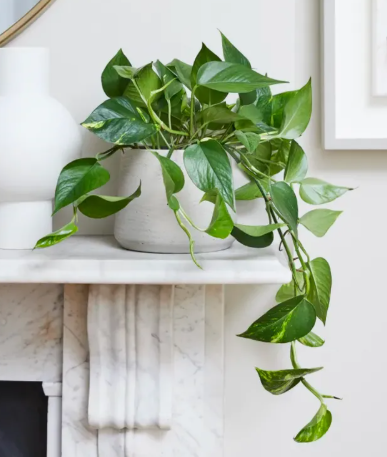
Peace Lily

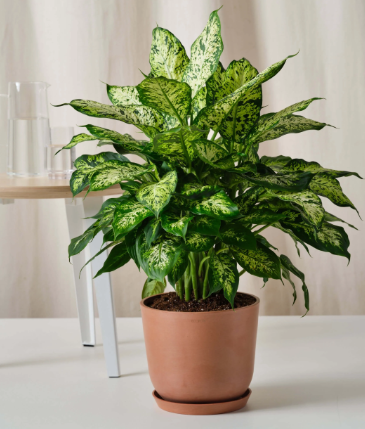
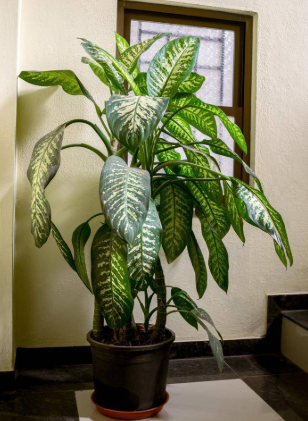
Dieffenbachia
Philodendron
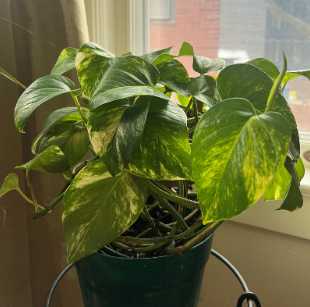
These plants contain calcium oxalate crystals that act like microscopic needles.
Symptoms often appear almost immediately and may include:
Intense drooling
Pawing at the mouth
Swollen lips
Difficulty swallowing
Refusal to eat
Although these plants are rarely fatal, they can be extremely painful.
Plants That Affect the Digestive System
Some plants primarily irritate the stomach and intestines.
Examples include:
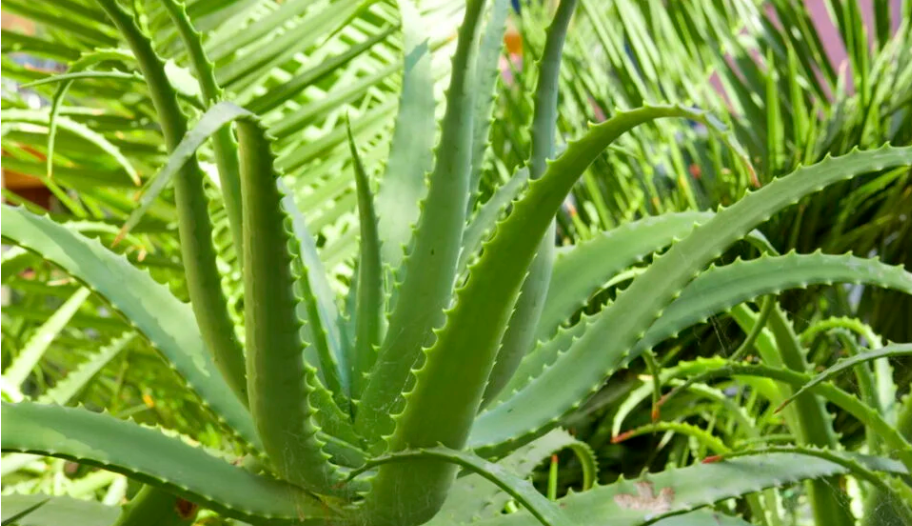
Aloe Vera
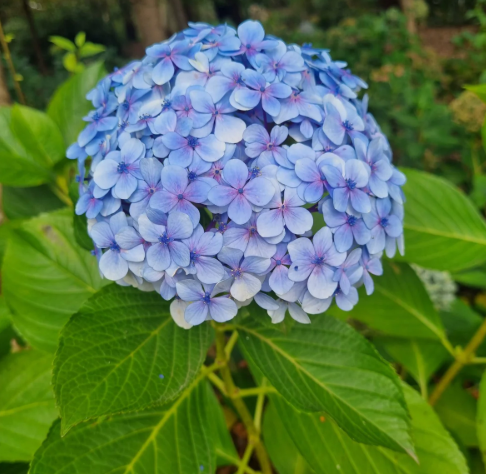
Hydrangea
Tulips

Daffodils

Typical symptoms include:
Vomiting
Diarrhea
Abdominal discomfort
Loss of appetite
Plants That Damage the Heart
Certain ornamental plants contain compounds capable of disrupting normal heart rhythm.
These include:
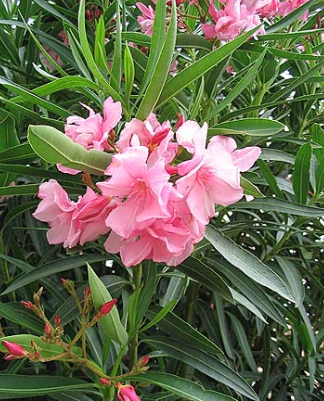
Oleander
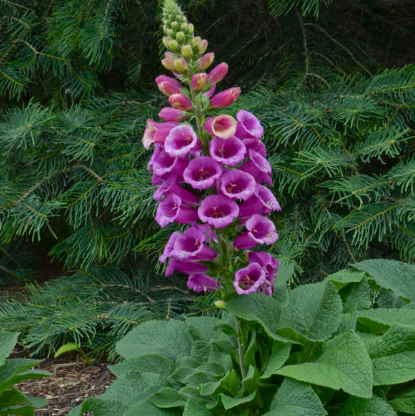
Foxglove
Lily of the Valley
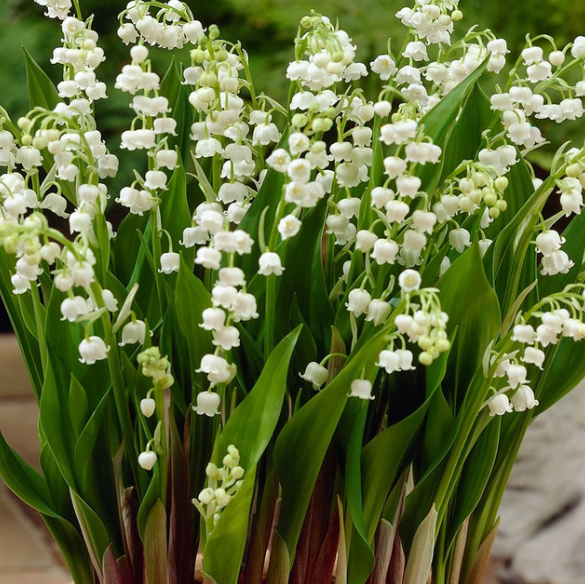
Signs may include:
Weakness
Collapse
Slow or irregular heartbeat
Fainting
These cases should always be treated as emergencies.
Plants That Affect the Liver
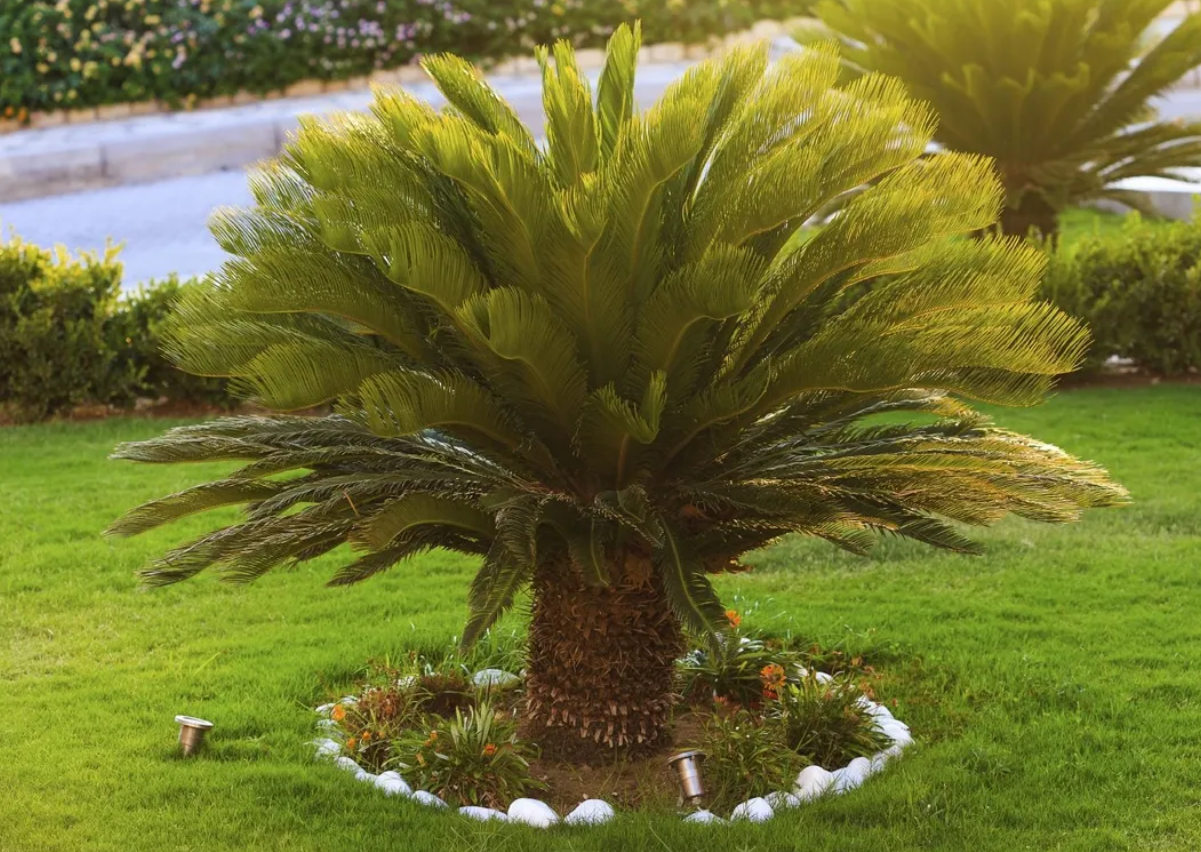
Perhaps the best-known example is the Sago Palm.
Unfortunately, many people keep these plants without realizing their danger.
Even a small amount can cause:
Severe vomiting
Bloody diarrhea
Liver failure
Neurological symptoms
Seizures
Death
The seeds are especially toxic. Even ingesting one seed may be enough to cause severe poisoning.
Immediate veterinary treatment offers the best chance of recovery.
Plants That Affect the Kidneys
Lilies deserve special mention.
Although dogs usually experience digestive upset, cats are extraordinarily sensitive.
Even licking pollen from their fur can lead to acute kidney failure.
For multi-pet households, avoiding lilies altogether is the safest option.
Common Toxic Plants Found Around the Home
Many of the plants most commonly sold at garden centers are unsafe for pets.
These include:
· Sago Palm
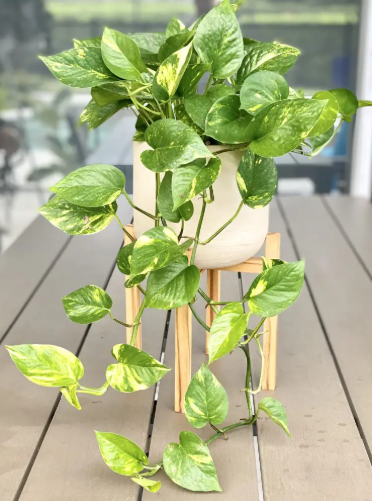
· Pothos
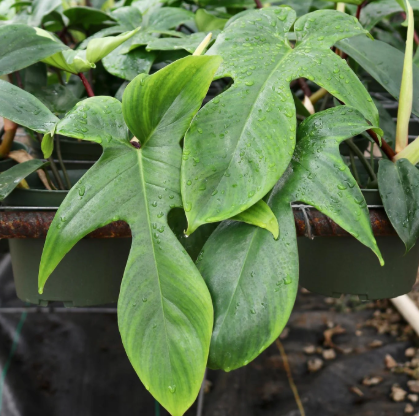
· Philodendron
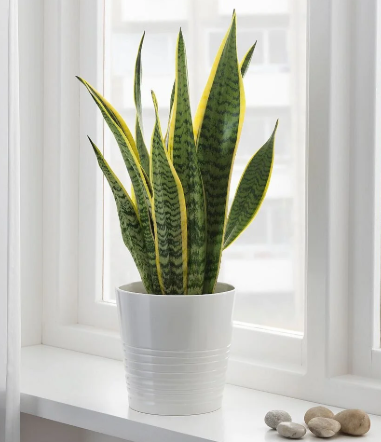
· Snake Plant
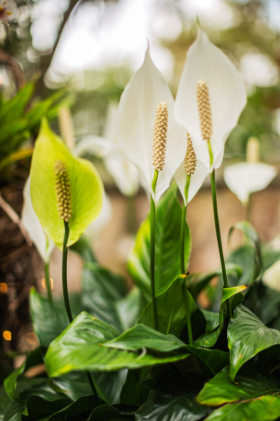
· Peace Lily
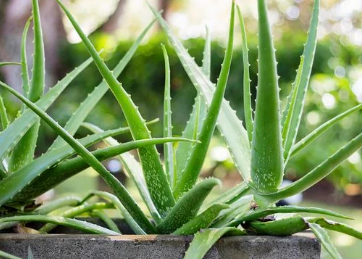
· Aloe Vera
· English Ivy

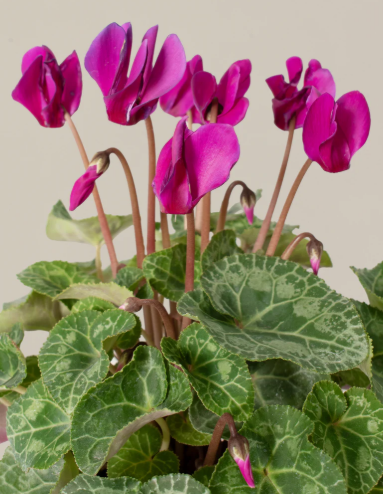
· Cyclamen
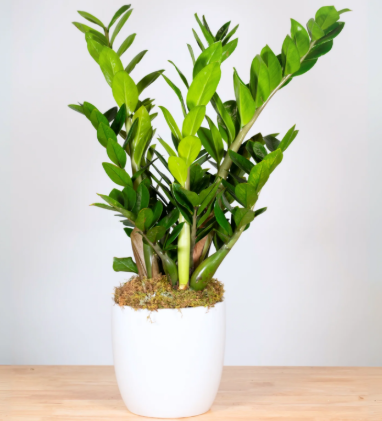
· ZZ Plant
· Dieffenbachia
If you're unsure about a houseplant, it's always worth checking before bringing it home.
Garden Plants That Deserve Extra Attention
Beautiful landscaping can sometimes hide dangerous surprises.
Here are some of the most concerning outdoor plants and their respective common symptoms if ingested by pets:
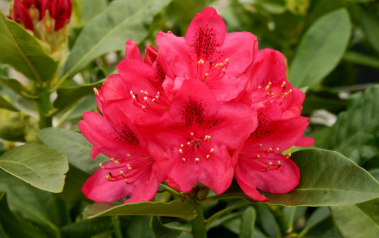
Azaleas and Rhododendrons
Excessive drooling
Vomiting
Weakness
Heart rhythm abnormalities
Collapse
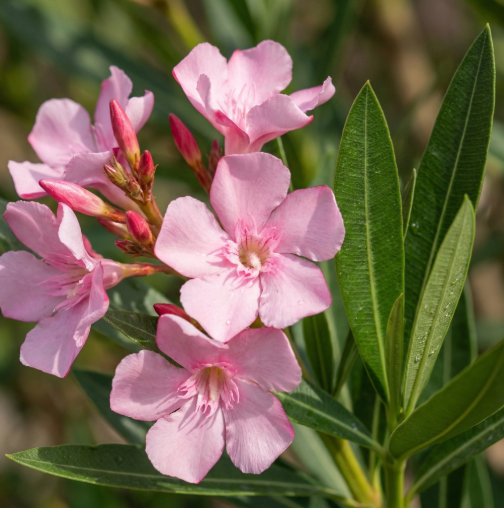
Oleander
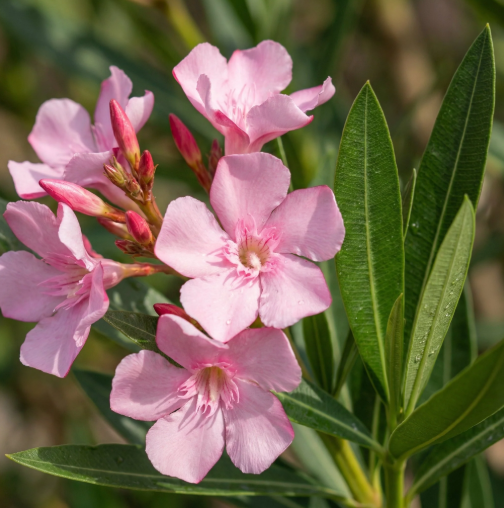
Vomiting
Slow heart rate
Weakness
Collapse
Potentially fatal heart problems
Hydrangeas
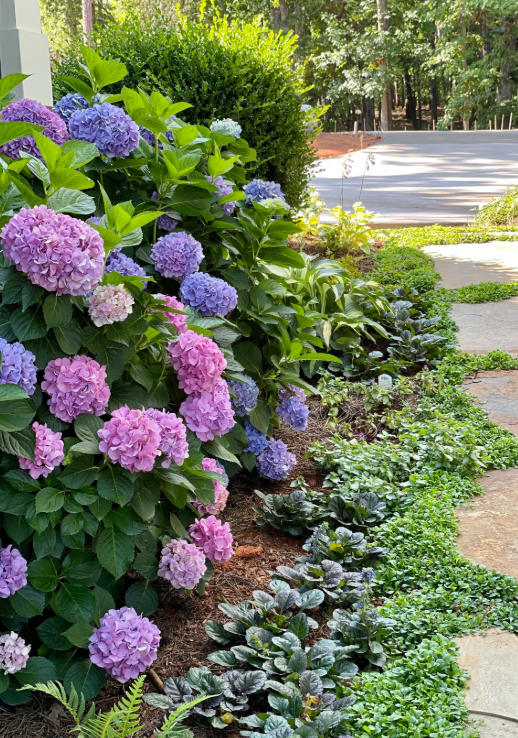
Vomiting
Diarrhea
Lethargy
Tulips and Daffodils

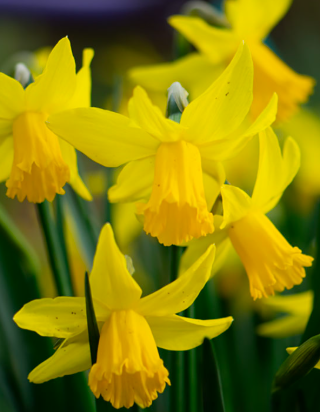
Vomiting
Diarrhea
Drooling
Increased heart rate
Autumn Crocus (far more dangerous than spring crocuses)
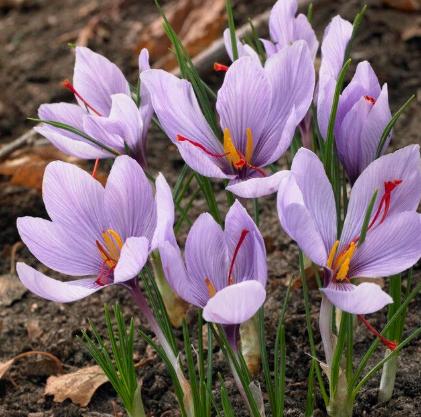
Severe gastrointestinal damage
Organ failure
Bone marrow suppression
Lily of the Valley
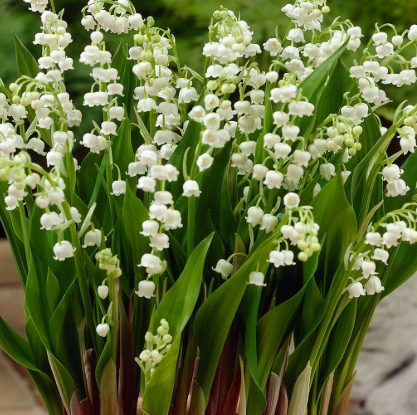
Severe vomiting
Diarrhea,
Loss of appetite
Drooling
Severely irregular heart rate
Low blood pressure
Bulbs deserve special attention because many dogs love digging.
Unfortunately, bulbs often contain higher concentrations of toxins than the flowers themselves.
Hazards on Walks, Parks, and Hiking Trails
Outdoor adventures are wonderful enrichment—but unfamiliar environments introduce unfamiliar plants.
Keep an eye out for:
Wild mushrooms
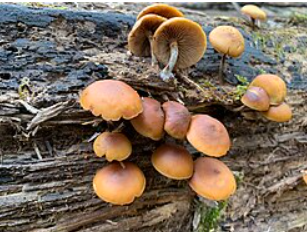
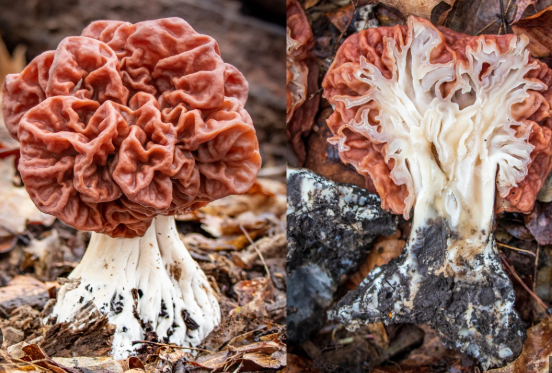
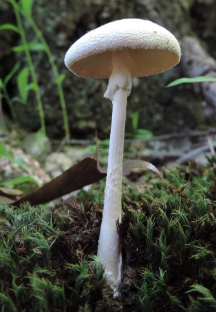
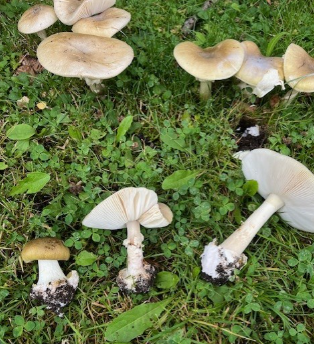
- Some are harmless.
Others can cause:
Liver failure
Neurological symptoms
Seizures
Death
Never allow dogs to eat mushrooms outdoors. Treat every wild mushroom as potentially poisonous.
Poison Hemlock
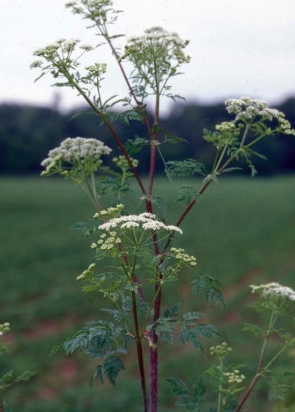
- Often mistaken for harmless wildflowers.
Highly toxic.
Can cause:
Tremors
Paralysis
Respiratory failure
Foxglove
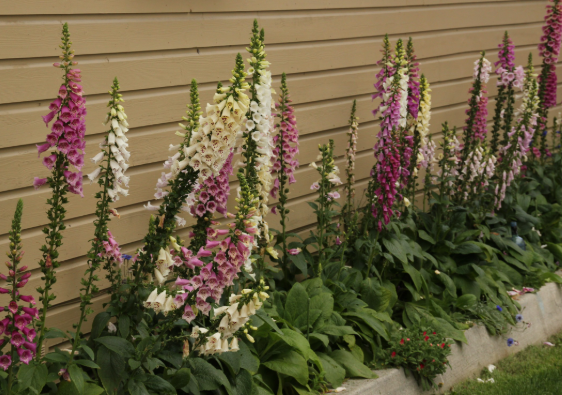
- Tall flowering plant with bell-shaped blooms.
Contains cardiac glycosides.
Can cause:
Irregular heartbeat
Vomiting
Weakness
Collapse
Black walnuts
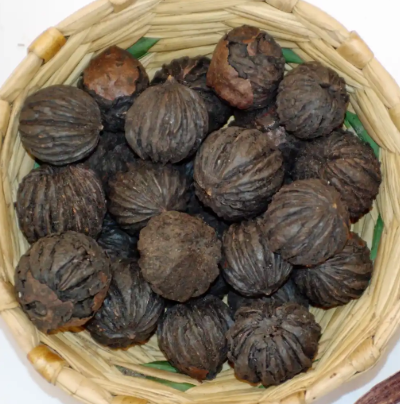
- The nuts themselves can cause digestive problems.
Mold growing on fallen walnuts is especially dangerous and may trigger tremors and seizures.
Acorns
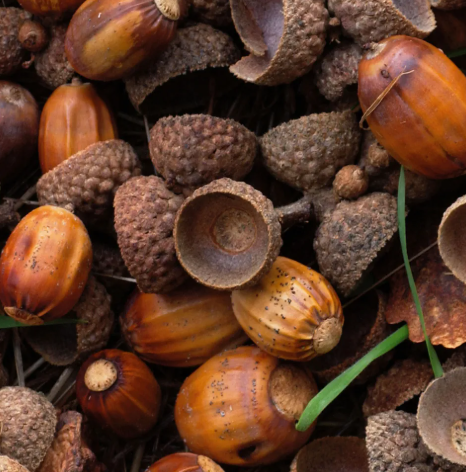
- While many dogs ignore them, some enjoy chewing them.
Large amounts may cause:
Gastrointestinal blockage
Toxicity
Kidney issues
Unknown berries
- While some berries are safe, many wild varieties contain potent toxins that can cause severe gastrointestinal distress, cardiac failure, neurological issues, or even death. Always treat any ingestion of an unidentified berry as a potential emergency.
Remember:
Not every dangerous plant looks poisonous.
Many resemble harmless wildflowers or shrubs.
When hiking or walking new trails, keeping your dog on leash not only protects wildlife—it also helps prevent accidental ingestion.
Puppies Are Especially Vulnerable
Puppies are naturally curious.
They investigate almost everything by putting it in their mouths.
During teething, chewing becomes even more common.
Because puppies haven't yet learned what's appropriate to chew, they are at much higher risk of ingesting toxic plants.
If you have a puppy:
Supervise outdoor time closely.
Remove toxic houseplants.
Redirect chewing toward safe toys.
Offer plenty of mental enrichment.
Recognizing the Signs of Plant Poisoning
Symptoms vary depending on the plant, but warning signs often include:
Vomiting
Diarrhea
Excessive drooling
Pawing at the mouth
Swollen tongue
Loss of appetite
Weakness
Tremors
Unsteady walking
Excessive panting
Collapse
Seizures
One important point:
Some plants don't cause symptoms immediately.
A dog may appear completely normal for several hours before serious damage begins internally.
That's why it's never advisable to "wait and see" after a known ingestion.
If You Suspect Your Dog Ate a Toxic Plant
The first few minutes matter.
Here's what veterinarians recommend:
✅ Stay calm.
Panic makes it harder to help your pet quickly.
✅ Remove access to the plant.
Prevent additional ingestion.
✅ Identify the plant if possible.
Take:
A photo
A leaf
A flower
A stem
This can help your veterinarian determine the best treatment.
✅ Contact your veterinarian immediately.
Do not wait for symptoms to appear.
Some toxins act before visible signs develop.
✅ Contact an Animal Poison Helpline if recommended.
Veterinary poison specialists can provide guidance while you're on the way to treatment.
❌ Avoid home remedies and do NOT induce vomiting unless specifically instructed by a veterinary professional.
Some toxins can cause more damage if vomited.
Building a Pet-Safe Home and Garden
Fortunately, you don't have to give up greenery. Creating a beautiful space doesn't mean giving up plants.
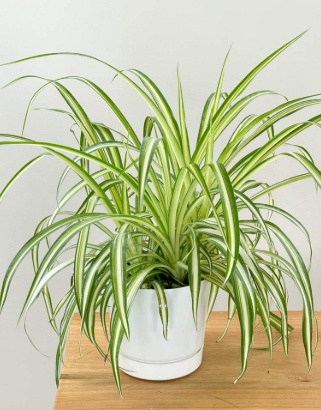
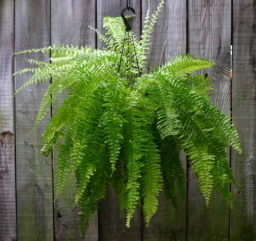
Some wonderful pet-friendly alternatives include:
Spider Plant
Boston Fern
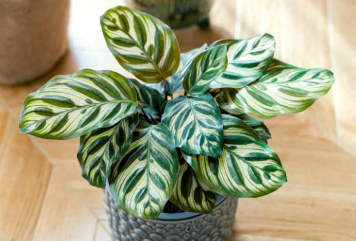
Prayer Plant
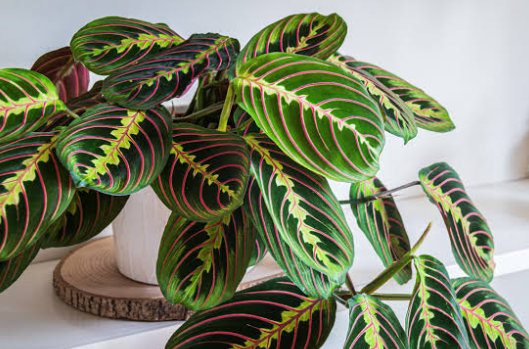
Calathea
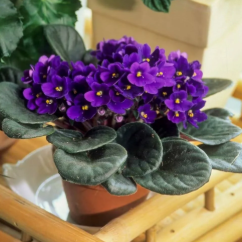
African Violet
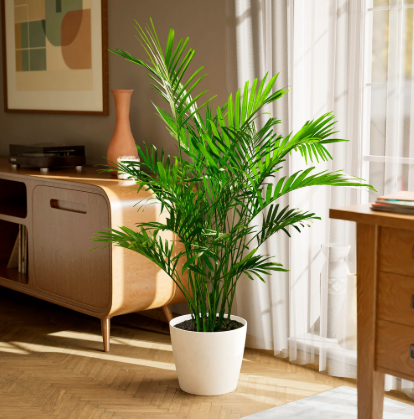
Areca Palm

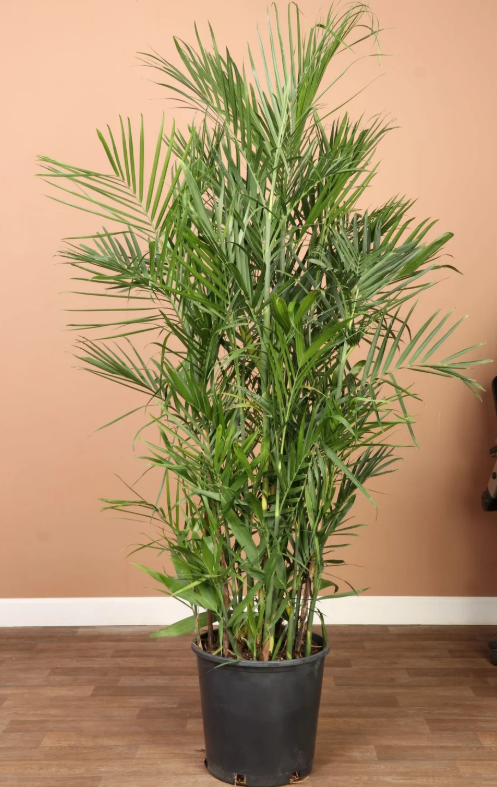
Bamboo Palm
Parlor Palm
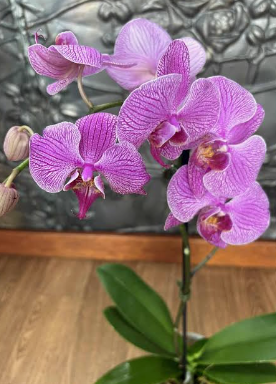
Orchid
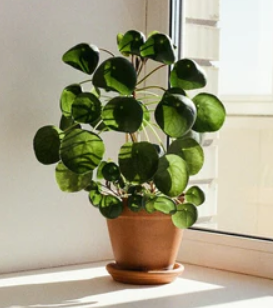
Friendship Plant
Polka Dot Plant
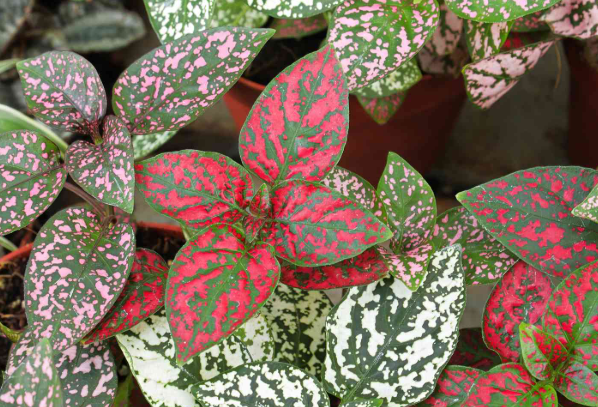
These plants add beauty while posing far less risk to curious pets.
When shopping, ask garden centers whether a plant is considered pet-safe before bringing it home.
Prevention Is Always the Best Medicine
Most plant poisonings are entirely preventable.
A little planning can make a tremendous difference.
Before adding a new plant to your home or garden, ask:
Is it toxic to dogs or cats?
Could my pet easily reach it?
Does it produce berries, seeds, or bulbs?
Is there a safer alternative?
If you enjoy gardening:
✔ Research plants before purchasing.
✔ Keep toxic plants fenced or inaccessible.
✔ Supervise curious puppies outdoors.
✔ Remove fallen bulbs, seeds, and berries promptly.
✔ Learn the plants commonly found on your walking routes.
Taking a few minutes to research today could prevent a frightening emergency tomorrow.
A little awareness goes a long way.
Learning to recognize toxic plants—and replacing them with pet-safe alternatives—helps protect curious noses and adventurous paws.
Whether your dog is relaxing at home, exploring your backyard, or joining you on a hike, knowing what grows around them is one of the simplest ways to keep them safe.
A Safe Environment Starts with Awareness
At Jazz's Wonderland, we believe that caring for dogs extends beyond daycare, boarding, grooming, and enrichment. It also means helping pet parents make informed decisions about their dogs' health and safety every day.
That's why our outdoor play areas are carefully maintained with pet safety in mind, and why our team is always happy to share educational resources that help families create safer environments at home.
After all, every walk, every backyard adventure, and every quiet afternoon in the garden should be something your dog can enjoy with confidence.
Because the safest home isn't the one without plants—it's the one where pet parents know which plants belong there. A safe adventure is always the best kind—and every dog deserves to explore the world with confidence.